
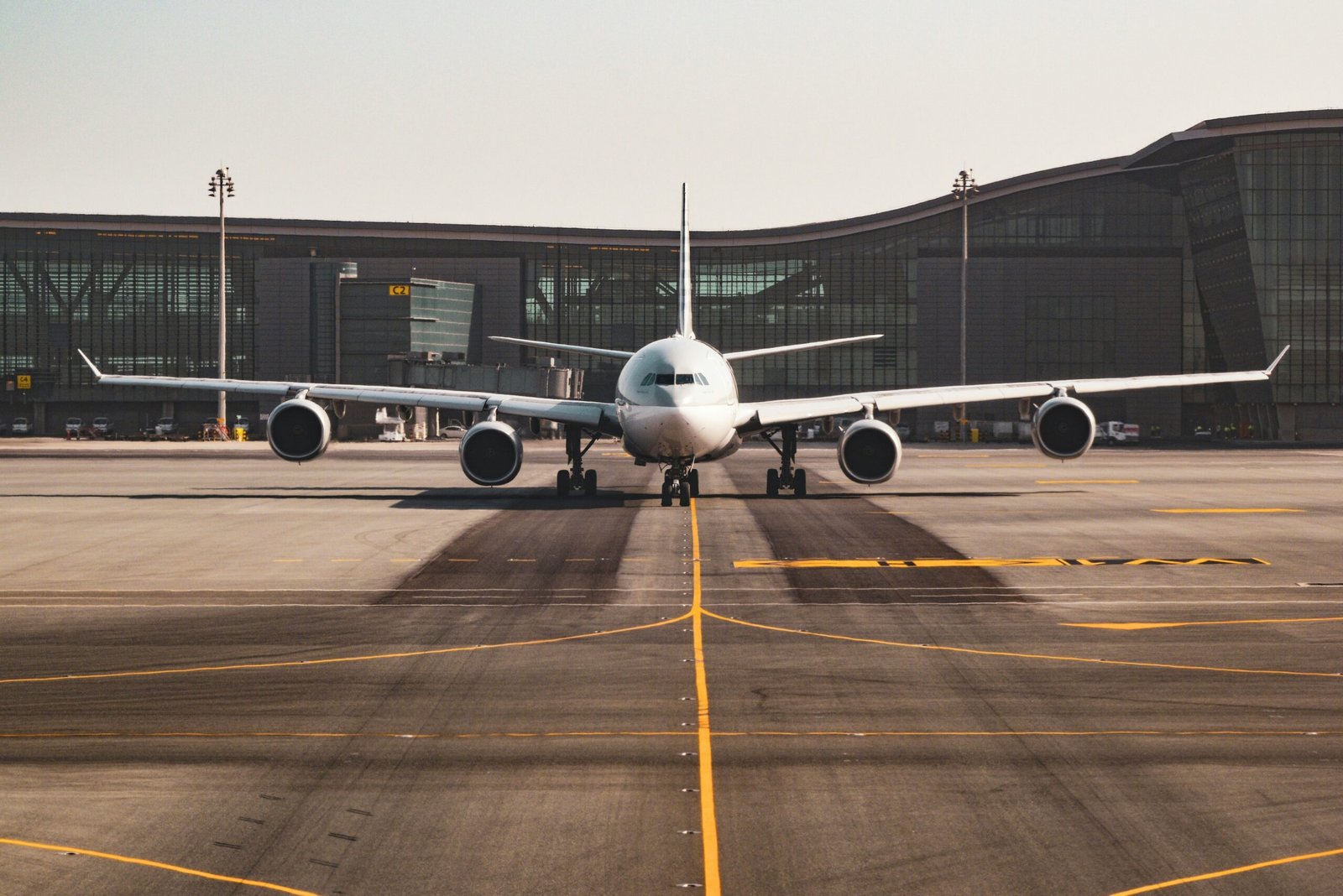
Fear of flying can have a significant impact on how we approach holidays, work trips and opportunities to travel. For some people, the thought of boarding a plane causes mild nervousness, while for others, it can trigger intense anxiety, physical discomfort and a strong desire to avoid flying altogether.
Many people search for how to overcome a fear of flying or how to manage flight anxiety, yet understanding why the fear develops is often an important first step. Flight anxiety can be linked to a fear of losing control, turbulence, previous experiences or the anticipation of something going wrong.
Although these feelings can be difficult to manage, there are practical ways to develop a calmer relationship with flying. Understanding your triggers, changing unhelpful thought patterns and exploring approaches such as hypnotherapy may help you feel more confident when travelling.
In this article, we explore the causes of fear of flying, its common symptoms, how hypnotherapy may help and practical strategies for managing flight anxiety.
What Causes a Fear of Flying?
Fear of flying, also known as aviophobia, can develop for different reasons. For some people, it follows a frightening experience, while others may struggle with uncertainty or the feeling of having little control during a flight.
Common triggers include:
- Fear of turbulence: Unexpected movements can create a feeling of danger, even though turbulence is a normal part of flying.
- Fear of losing control: Being unable to influence what happens during a flight can feel uncomfortable, particularly for people who prefer predictability.
- Fear of accidents: Catastrophic thoughts and worries about safety can make it difficult to feel reassured.
- Previous negative experiences: A frightening flight or panic attack may create an association between flying and danger.
- Other anxiety-related fears: Claustrophobia, fear of heights or a general tendency towards anxiety can contribute to flight anxiety.
These fears can become reinforced over time. For example, if turbulence triggers anxious thoughts, your body may respond with physical symptoms that make the situation feel even more threatening.
Understanding what triggers your fear can help you recognise the patterns that maintain it and identify more helpful ways to respond.
Common Signs of Flight Anxiety
Flight anxiety can affect your thoughts, emotions and physical wellbeing. Some people experience symptoms only during a flight, while others begin worrying days or weeks before travelling.
Common signs include:
A racing heart, sweating or trembling.
Shortness of breath or muscle tension.
Nausea, dizziness or discomfort in the stomach.
Repeatedly imagining worst-case scenarios.
Constantly checking for signs that something might go wrong.
Feeling anxious when booking a flight or arriving at the airport.
Avoiding air travel because of fear or panic.
These symptoms can create a cycle in which anxious thoughts increase physical tension, and the resulting sensations reinforce the fear.
Avoidance can also make the problem more persistent. Although cancelling a flight may bring immediate relief, it can strengthen the belief that flying is something you cannot cope with.
Recognising these patterns is an important step towards managing anxiety more effectively.
How Fear of Flying Can Affect Your Life
When fear of flying becomes persistent, it can influence more than your experience of travelling. You may turn down holidays, miss important family events or avoid professional opportunities that involve air travel.
Even when you decide to fly, the anticipation can cause considerable stress. Instead of looking forward to your destination, you may spend weeks worrying about turbulence, safety or the possibility of experiencing a panic attack.
Over time, this anxiety can affect your confidence and reinforce the belief that flying is beyond your ability to manage.
The difficulty is not necessarily the flight itself, but the way your mind interprets uncertainty and responds to perceived danger.
Learning to manage these automatic reactions can help you develop greater confidence and make decisions based on what matters to you, rather than allowing fear to determine your choices.
How Hypnotherapy Can Help with Flight Anxiety
For some people, practical strategies and reassurance are not enough to change the way they feel about flying. This is where exploring deeper emotional responses and automatic thought patterns may offer another perspective.
Hypnotherapy uses guided relaxation and focused attention to help people explore and respond differently to unhelpful patterns of thinking, feeling and behaving.
When working with fear of flying, hypnotherapy may help individuals to:
- Explore the experiences and beliefs associated with their fear.
- Reduce anticipatory anxiety and emotional tension.
- Develop a calmer response to anxiety-provoking thoughts.
- Strengthen confidence in their ability to cope with uncertainty.
- Practise relaxation and mental rehearsal techniques.
- Feel more prepared to approach situations they previously avoided.
For example, someone who experiences anxiety when imagining turbulence may automatically associate movement with danger. Hypnotherapy may help them explore this response and practise approaching the situation with greater calm and perspective.
Rather than promising to eliminate fear completely, the aim is to support a different relationship with anxious thoughts and feelings.
Hypnotherapy is not a guaranteed solution, and individual responses vary. It may be used as a complementary approach alongside other forms of support, such as cognitive behavioural therapy (CBT) or carefully planned exposure.
If you would like to understand more about how hypnotherapy may support people experiencing different fears, you can read our guide to Hypnosis for Phobias: A Comprehensive Guide.
Practical Ways to Manage Fear of Flying
Alongside professional support, simple strategies can help you feel better prepared for a flight and manage anxiety more effectively.
Helpful approaches include:
Prepare in advance: Organise your travel documents, plan your journey to the airport and allow enough time to avoid unnecessary stress.
Practise slow breathing: Breathe gently and comfortably, allowing your exhalation to be slightly longer than your inhalation.
Use grounding techniques: Focus on what you can see, hear and physically feel to bring your attention back to the present moment.
Challenge anxious thoughts: Ask yourself whether you are treating a possibility as a certainty, and consider a more balanced perspective.
Reduce caffeine: If you are sensitive to caffeine, reducing your intake may help limit sensations such as a racing heart or restlessness.
Take gradual steps: If you have been avoiding flying, consider working towards your goal in manageable stages, with professional guidance if needed.
Focus on what you can control: Although you cannot control every aspect of a flight, you can choose how you prepare and which coping strategies you use.
It is important to remember that progress does not require you to feel completely calm. Learning to manage anxiety means developing confidence in your ability to cope with uncomfortable feelings without allowing them to dictate your decisions.
When to Seek Professional Help
If fear of flying is significantly affecting your quality of life, professional support may be worth considering.
You may benefit from seeking help if you regularly avoid important journeys, experience panic attacks when thinking about flying or spend weeks worrying before a planned trip.
A qualified professional can help you understand your anxiety and identify an appropriate approach. Depending on your needs, this may include CBT, exposure-based therapy or hypnotherapy as a complementary option.
If you are considering hypnotherapy, choose a suitably qualified practitioner who explains the approach clearly and does not guarantee specific results.
Seeking support does not mean that something is wrong with you. It means recognising that anxiety can be managed and that you do not have to remain stuck in patterns that limit your life.
Final Thoughts
Fear of flying can feel overwhelming, particularly when anxiety begins long before you reach the airport. However, understanding your triggers and learning how your mind responds to perceived danger can be important steps towards change.
Practical techniques, gradual exposure and professional support may help you develop a calmer and more confident approach to air travel. Hypnotherapy may also offer a complementary way to explore unhelpful associations and practise alternative responses to anxiety.
Overcoming a fear of flying does not necessarily mean never feeling nervous again. It is about learning to manage those feelings so they no longer prevent you from doing the things that matter to you.
If flight anxiety is holding you back, exploring hypnotherapy and other appropriate forms of support may be a helpful next step towards travelling with greater confidence.